
 |
 |
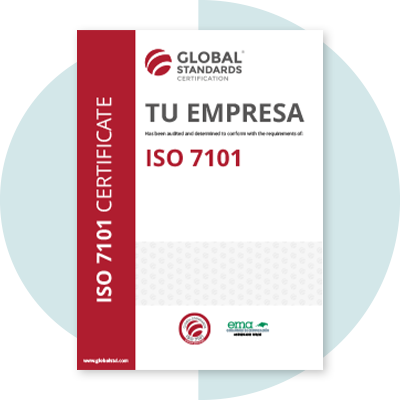
ISO 7101 CERTIFICATION
ISO 7101 is the first international consensus standard for quality management in healthcare. Its purpose is to establish a structured framework that ensures sustainable, high-level healthcare systems applicable to organizations of any size, structure, or location. To this end, it promotes the development of a quality culture led by committed senior management and a people-centered healthcare model based on respect, compassion, co-production, equity, and dignity.
In addition, this standard makes it possible to identify and manage risks effectively, ensuring the safety of patients and the well-being of healthcare personnel. Through documented processes and information, it facilitates organizations’ monitoring and evaluation of performance in both clinical and non-clinical areas. ISO 7101 drives continuous improvement of processes and outcomes, ensuring efficient and quality healthcare.
ISO 7101 requirements
The requirements of this international standard include establishing, implementing, maintaining, and improving a quality management system in healthcare organizations:
- 4. Context of the organization
- 5. Leadership
- 6. Planning
- 7. Support
- 8. Operation
- 9. Performance evaluation
- 10. Improvement
ISO 7101 complies with the High-Level Structure (HLS), allowing healthcare organizations that already maintain an ISO management system to adapt to this standard.
Additional requirements
- Maintain a documented system following the applicable standard
- Maintain a clearly defined scope of certification
- Maintain evidence of implementation of the management system for a minimum of 3 months *Recommendation.
- Maintaining internal auditors with the competence to perform internal audits
- Maintain records related to at least one internal audit.
- Maintain evidence of implementation related to documented processes, control records, actions taken, internal audits, etc.
- Maintain records demonstrating management's commitment to ensure compliance with all requirements of the applicable standard for such review..
- Ensure that the defined policy and objectives are related and documented following the requirements of the applicable standard
HOW TO BE CERTIFIED?
Process to obtain an international certificate with Global Standards
The certification process pays attention to every detail to make sure that the company duly complies with all of the standard’s requirements.
The certification process pays attention to every detail to make sure that the company duly complies with all of the standard’s requirements.
- 1 Quote and signing of the contract
- 2 Planning and Development of Audit
- 3 Closing of Non-Conformities
- 4 Certification Committee and Issuance of the Certificate
BENEFITS
| Quality in the provision of health services. | |
| Improved patient safety. | |
| Cost - efficiency. | |
| Increased operational efficiency. | |
| Strengthened reputation and confidence in the users requiring the service. |